Gas Leak Detection
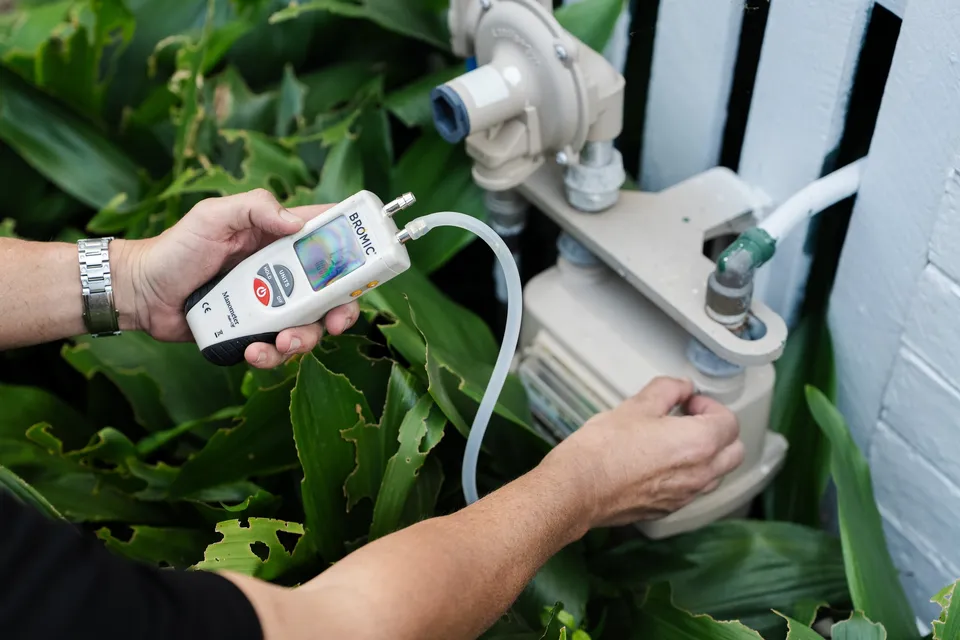
Locating the escape. We trace escaping gas to its source with detection equipment and testing of the line under pressure, so the answer is a located leak, not a guess at one.
A gas odour is the single plumbing task that calls for evacuation before any phone call, and Bald Hills Plumber handles leak detection, gas line repairs and appliance faults across Bald Hills and nearby streets, licensed under QBCC No: 15024607.
If we're late, $100 comes off your bill

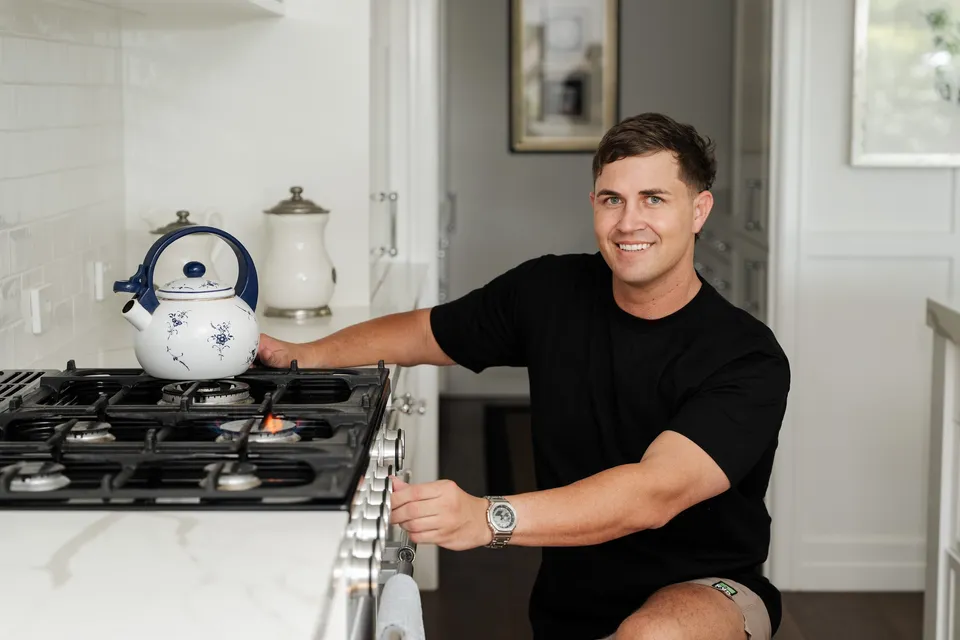
Every gas job we attend starts with safety: you out of the house, us tracing the escape, then a repair that gets tested before the supply goes back on.
Do this first, in this order:
If the smell is strong or someone feels unwell, call 000 as well and wait outside for emergency services. The emergency plumbing services page covers the other urgent calls, from burst pipes to an overflowing toilet.

Get all people and animals out of the house and well away from it.

Ring (07) 3067 4274 from the footpath or a neighbour's place, never from inside.
No light switches, no appliances, no flames, no phones used indoors. A single spark near leaking gas is the whole danger.
$0 call-out fees, available 24/7, and same-day where we can.
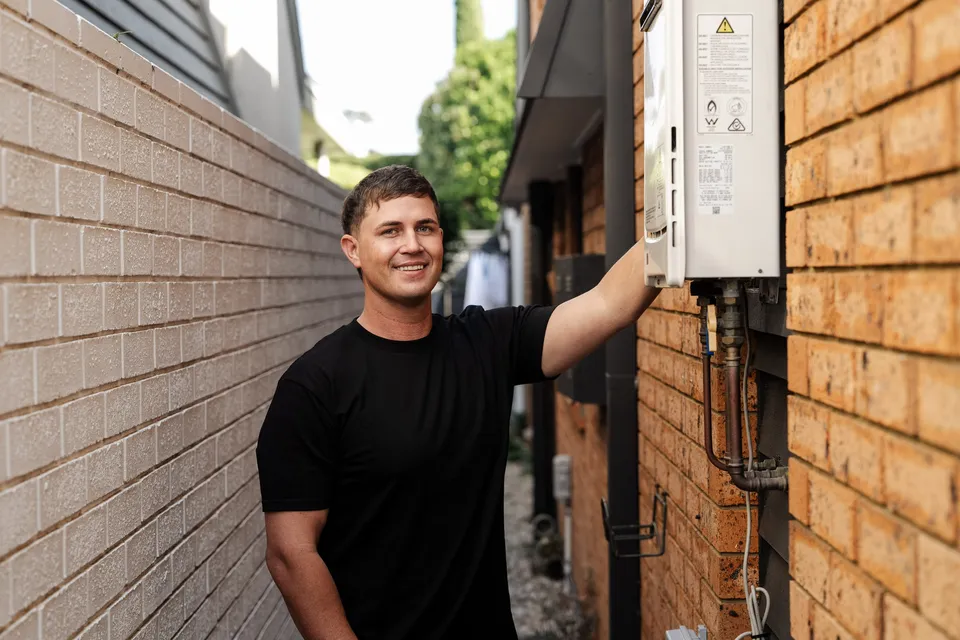
Gas reaches your appliances through a meter and a run of pipe inside the boundary, and a leak is any point along that path where gas escapes instead of arriving where it should. The usual suspects:
The smell is the warning, because the gas itself has none. Suppliers add an odourant so a leak announces itself like sulphur, and that smell indoors is never something to sleep on.
A gas hot water unit or heater whose pilot has simply blown out can leave a faint smell near the appliance, and relighting it safely is a licensed job, not a DIY one.
The flexible connectors behind stoves, heaters and older vanities age out, and a crack in one releases gas every time the appliance runs.
Decades-old gas runs in postwar houses corrode at the threads and joints, and the escape is often too small to hear but strong enough to notice in a closed room.
Burners, valves and thermostats can leak internally, which is why any appliance suspected of leaking gets tested, not just the pipes feeding it.
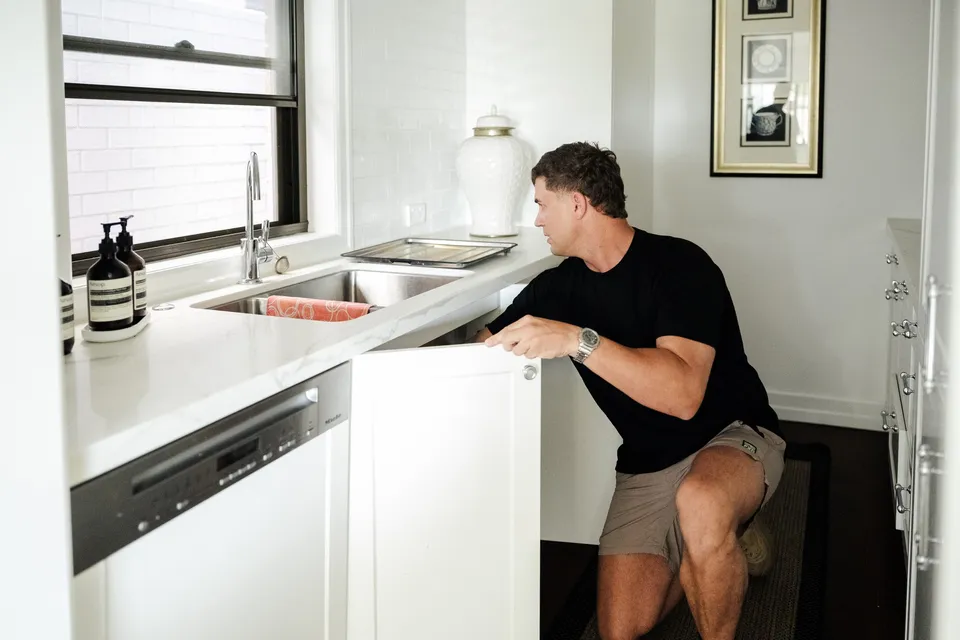
Very little, and that is deliberate. From outside the house you can check that everyone is out and accounted for, and you can note where the smell was strongest so you can tell us on the phone.
Never hunt for the leak yourself. No soapy water on fittings, no sniffing along pipes, no crawling under the house. Locating a leak is our job, and the gas fitting page explains how that work runs.

The estates built on the high ground following the 1959 Richmond Heights release still run their original gas lines and appliances after decades of use, so corroded fittings and worn connectors appear regularly in that brick veneer stock.
Weatherboard homes around the station and the village shops are older than the estates altogether, and their gas runs are older again, so testing those lines under pressure is a common first step.
A gas water heater on a low street such as Gladdon Street that has sat through a flood needs a licensed check before it runs again, because silt and water inside a burner are not something to test with a match.
Our gas work covers the full path a leak can take, from the meter to the appliance:
Locating the escape. We trace escaping gas to its source with detection equipment and testing of the line under pressure, so the answer is a located leak, not a guess at one.
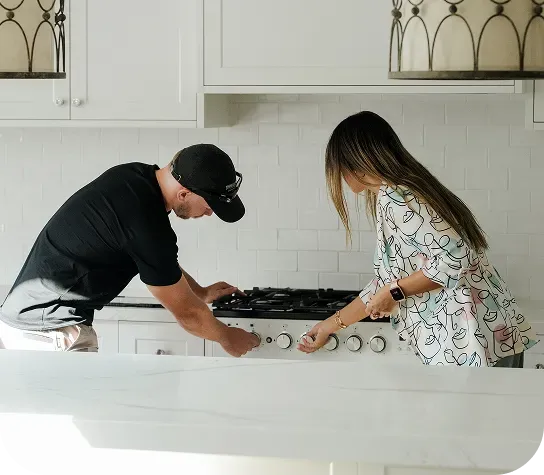
Cutting out the corrosion. A corroded section gets cut out and replaced with rated pipe, and every joint in the repaired run is proven tight with the line held under pressure before the gas is restored.
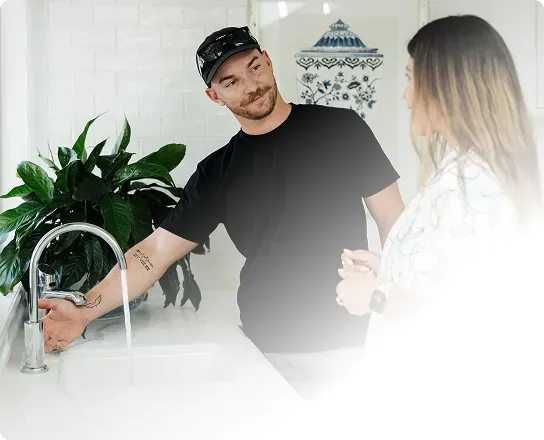
Fixing the unit itself. Stoves, heaters and hot water units get their valves, burners and connectors checked and replaced where they have failed, and each appliance is run and tested before we finish.
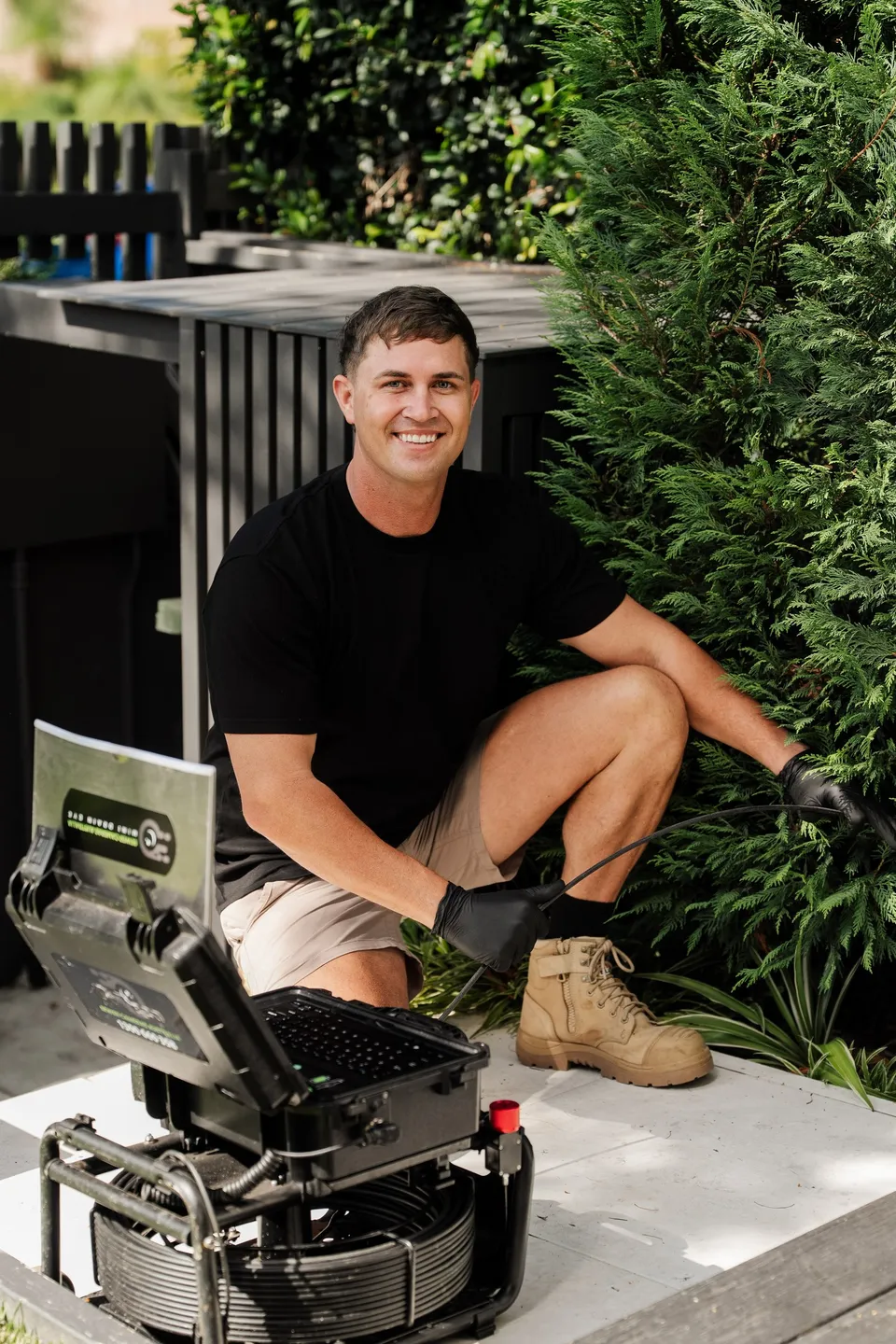
Assessing the burner. A gas unit that will not stay lit or leaks at the burner gets a full licensed assessment, with the repair options for your system laid out in plain words.
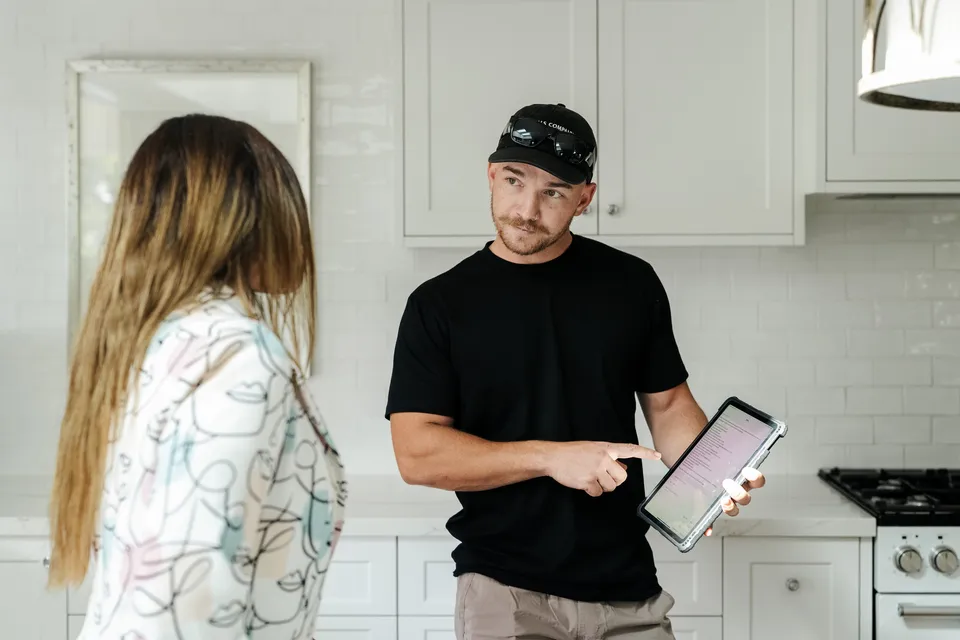
Four smells and symptoms cover most of the gas calls we attend:
The warning smell. The odourant added to natural gas reads as sulphur, and any trace of it inside a closed room means gas is escaping somewhere, so leave and call from outside.
Often the thermocouple. A pilot that refuses to stay lit usually points to a failing thermocouple or trouble within the unit rather than the supply, and a licensed test settles which one it is.
A bigger escape. An audible hiss from a stove, heater or meter means a larger escape than a slow weep, and it justifies leaving immediately and calling from the street rather than investigating.
Burning the wrong colour. Burners running yellow or orange instead of blue are burning inefficiently and can signal a fault or a supply problem, so we test the appliance and the line feeding it together.
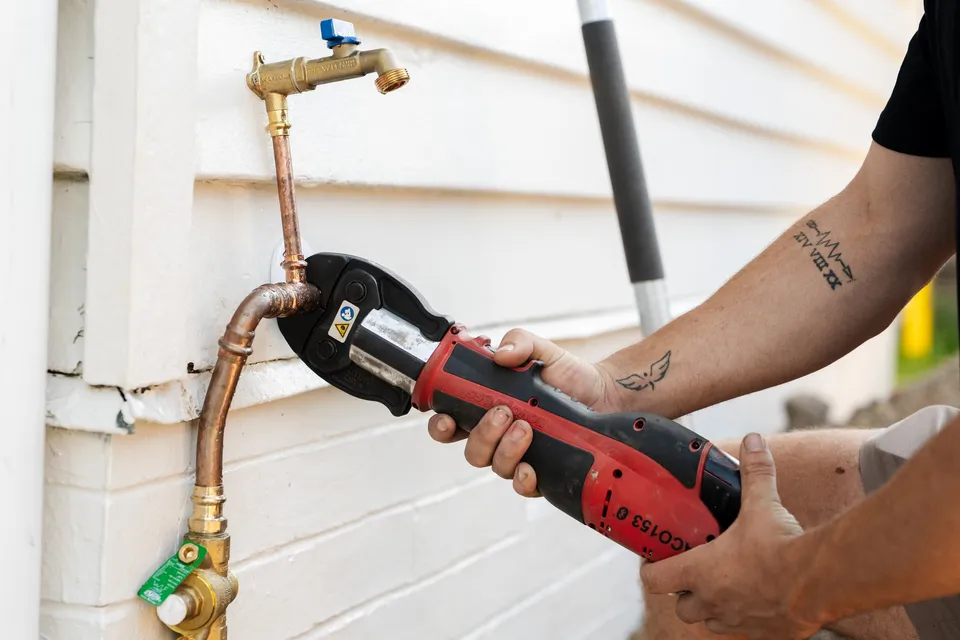
Gas needs only one ignition source, and a house full of switches, fridges and pilot flames offers plenty, which is why the first instruction is always to leave.
Gas work is a licensed trade of its own in Queensland, and every repair, replacement and relight we do sits under QBCC No: 15024607.
A fitting tightened by hand or a hose taped over can mask a smell without stopping the escape, and the gas keeps finding its way out elsewhere.

Call (07) 3067 4274 and walk us through what's going on in Bald Hills. A couple of quick questions help us bring the right parts the first time.

You see flat-rate pricing with no hidden fees before the work begins. Say yes and we start.
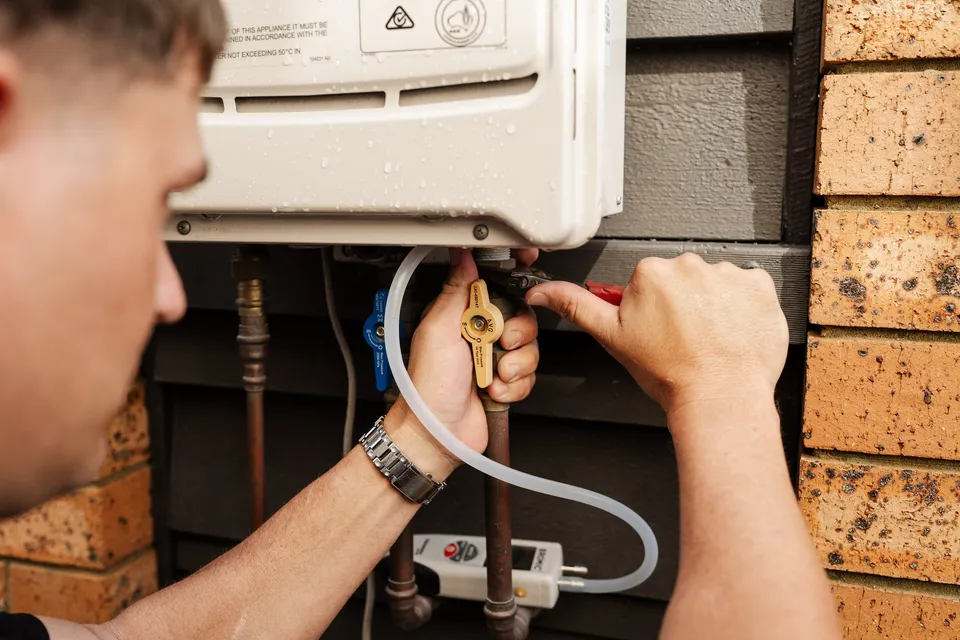
We locate the leak with detection equipment, pressure-test the line, then repair or replace the failed section and retest every joint and run the appliance before the gas goes back on.
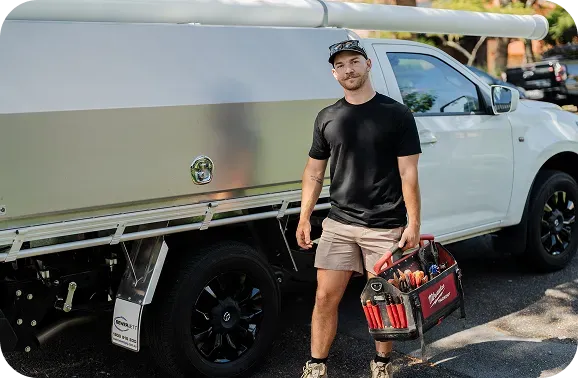
Card or EFTPOS on site once the job's finished, or ask about Fix now, pay later.
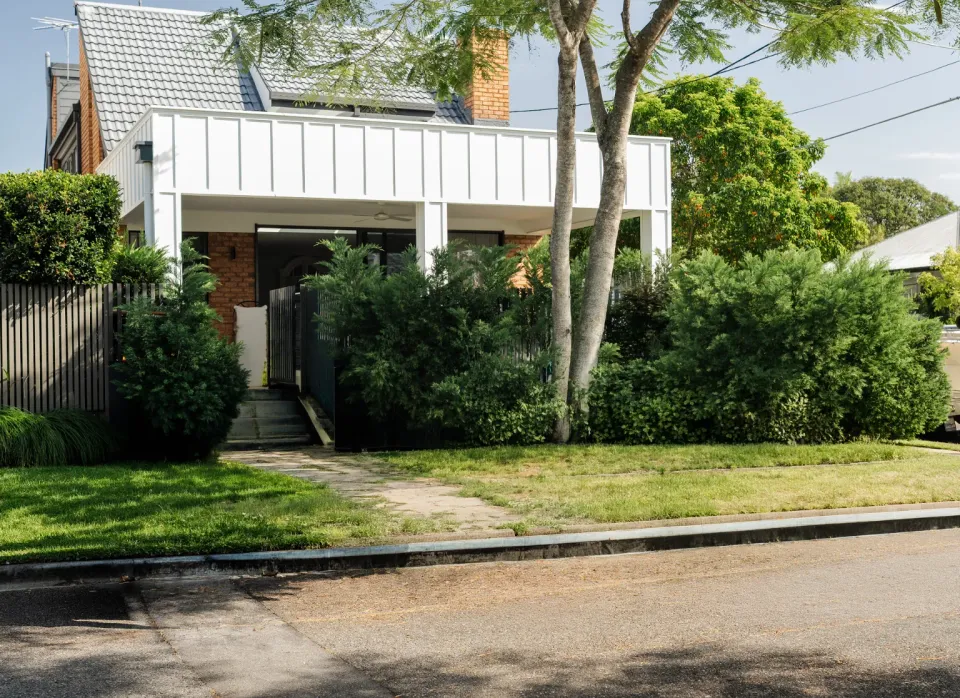
Every gas job finishes with the line proven tight, because a smell that has gone away is not the same as a leak that has been fixed.
Every Bald Hills job comes with $0 call-out fees, and there's no extra cost for nights, weekends or public holidays.
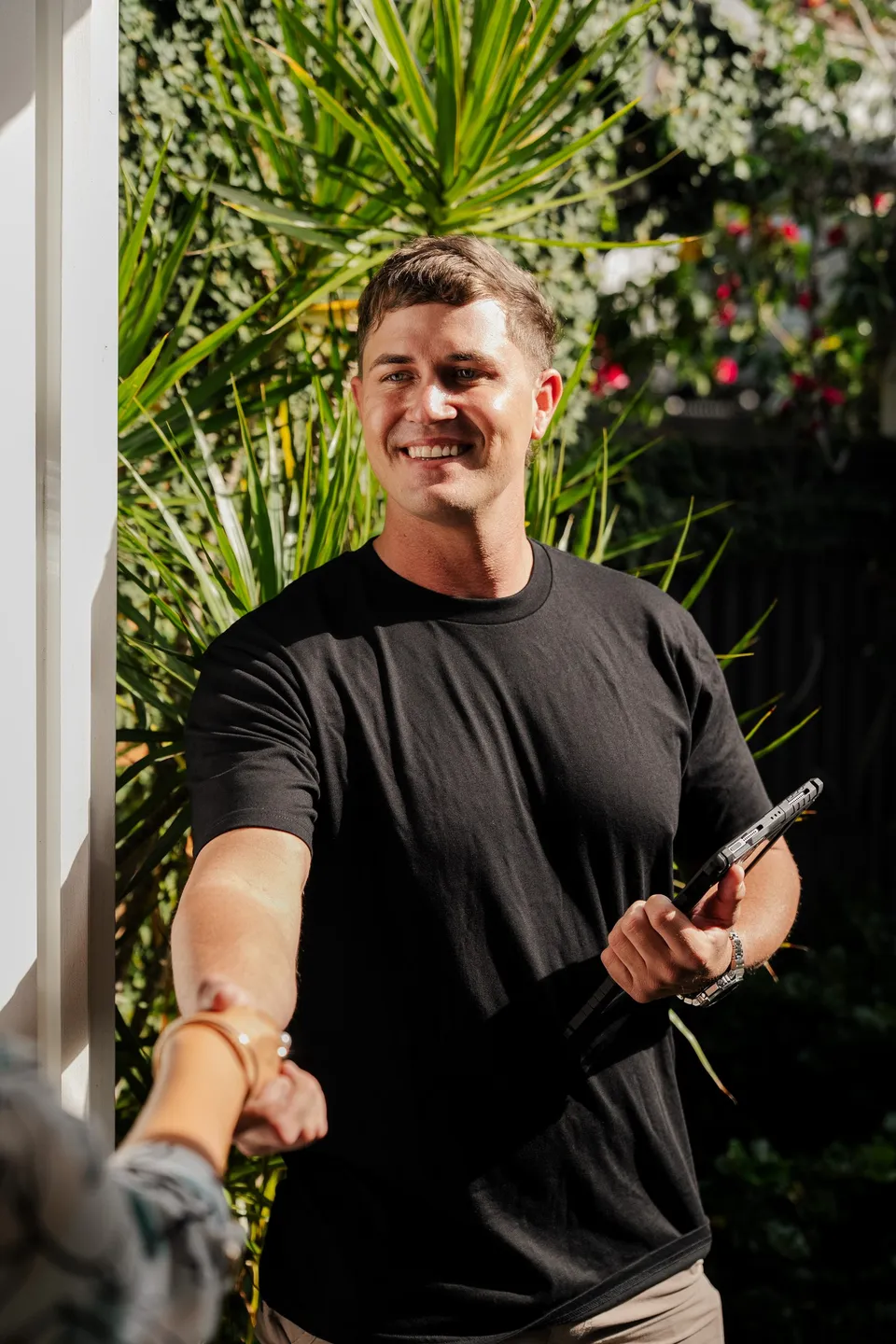
We stand behind the work with our Fix-It-or-It's-Free guarantee (T&Cs apply), and if we're late, $100 comes off your bill.
Under QBCC No: 15024607, every job is done by a licensed plumber, and our labour carries a lifetime labour warranty.
We're licensed and insured, locally owned and operated, with flat-rate pricing.
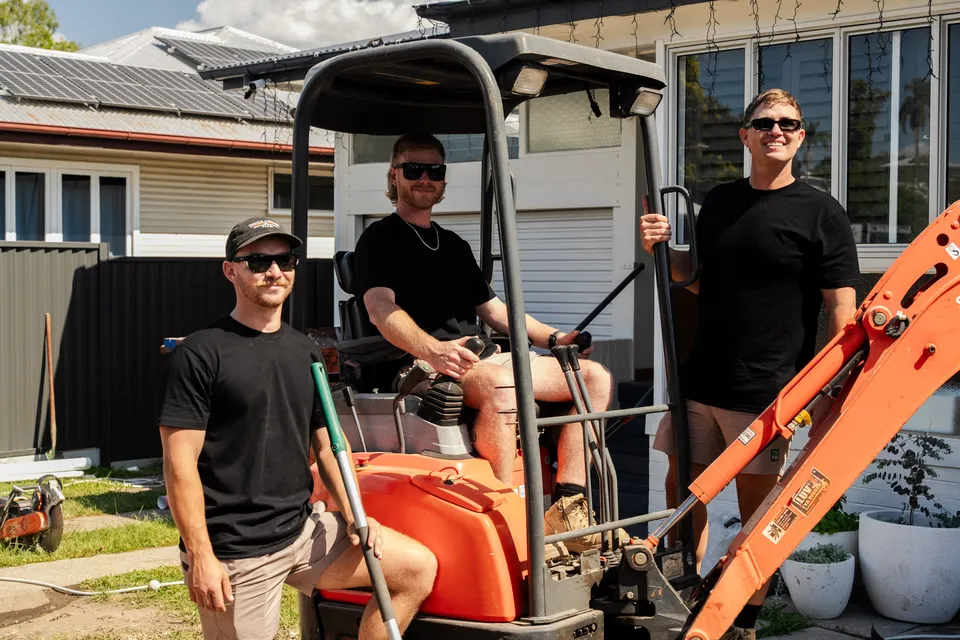
Gas leak calls come in from every part of the suburb, from the old village streets through to the newer blocks near the northern end of the Gateway Motorway, and the same run covers Murrumba Downs, Griffin, Brighton, Fitzgibbon and Carseldine, with the hot water and plumbing teams working the same streets.
Call (07) 3067 4274 and tell us what's going on. We're available 24/7, every job in Bald Hills comes with $0 call-out fees and flat-rate pricing, and the work is done under QBCC No: 15024607, with same-day where we can.
If the smell has you worried about other symptoms around the house, the emergency plumbing page lists every urgent job we attend.
An odourant added at the supply point makes gas detectable, and most people describe the smell as sulphur, like rotten eggs, so treat any trace indoors as a leak and get outside.
No, because flicking a switch or turning an appliance knob can make a spark, so leave everything as it is and get the household out to the footpath before making the call.
It is, because gas work needs its own licence class in this state, and ours sits under QBCC No: 15024607, the same licence that covers our plumbing and drainage.
It can, since gas displaces the air a room needs and brings headaches, dizziness and nausea with it, and that is reason enough to get everyone outside before anything else.
We do, because the postwar estates here have had decades of service from their original gas runs, and a pressure test tells us whether a section needs replacing or the whole line does.
Call (07) 3067 4274 from outside if you can smell gas, describe what you noticed and where, and we set the visit and write the fixed quote before any work starts.